Robot combat sport has been growing in San Francisco, Los Angeles, and Shenzhen. In May 2026, it arrived in Southeast Asia — and it brought a WBC boxing champion with it.
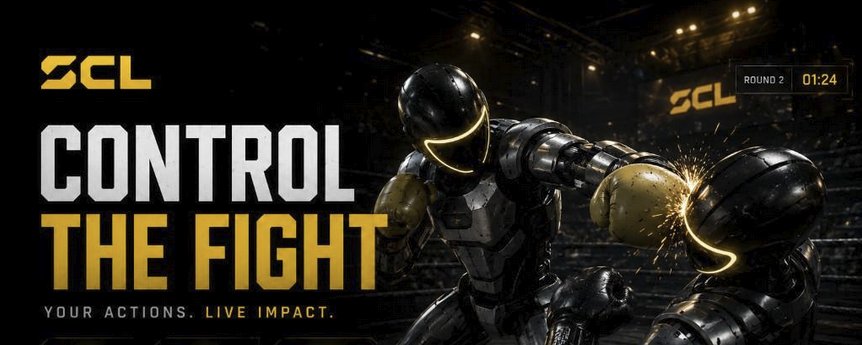
Shadow Combat League (SCL) is a Malaysian startup building what it describes as a new category of competitive entertainment: real bipedal humanoid robots controlled via motion capture by human pilots in real time, fighting in front of a live and streaming global audience.
Founded in Kuala Lumpur, with its first public debut at a robotics hackathon in Johor Bahru, SCL completed its inaugural live event — First Light: The Dawn of Robotic Combat — on May 23, 2026, livestreamed simultaneously from Kuala Lumpur to audiences across San Francisco, London, Dubai, and beyond.
It is the first robot combat organization to emerge from Southeast Asia, and one of the most structurally distinctive anywhere in the world.
What Is Shadow Combat League?
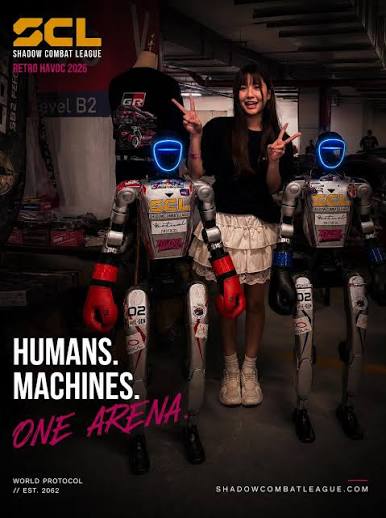
SCL’s robots are called Shadows. The control system is motion capture — pilots wear motion capture equipment and the Shadow mirrors their movements one-to-one in real time. As commentator Rashid Salai described it during First Light: “one-to-one movement from the human to the robot.” This is the most literal human-to-robot movement translation of any current robot combat format — more direct than Ultimate Fighting Bots’ game controller model, more direct than REK’s VR headset and arm-controller system, and the opposite of URKL’s fully autonomous approach.
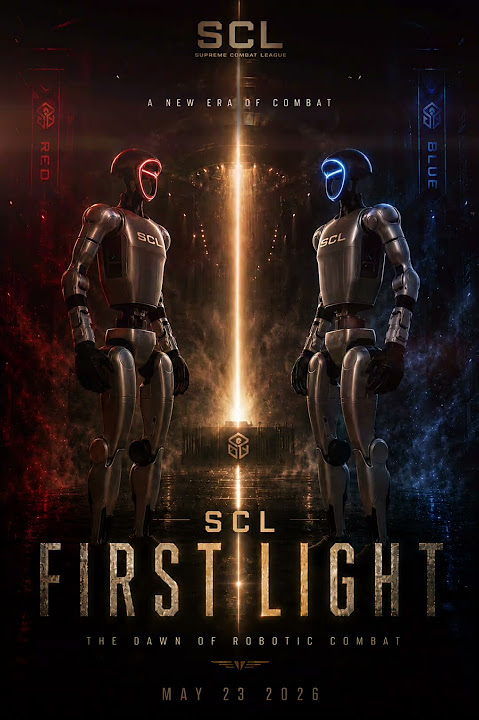
The Shadows are built on the Unitree G1 humanoid platform — the same commercially available hardware used by UFB in the United States. Shadow Combat League’s founding thesis, stated directly in their pre-launch video, is built around a specific problem in human combat sport: “Fighters sacrifice their long-term health for a short window of competition, and even the most talented athletes are forced out by their mid-30s. Shadow Combat League removes that trade-off entirely. The machine takes the damage. The human keeps competing.”
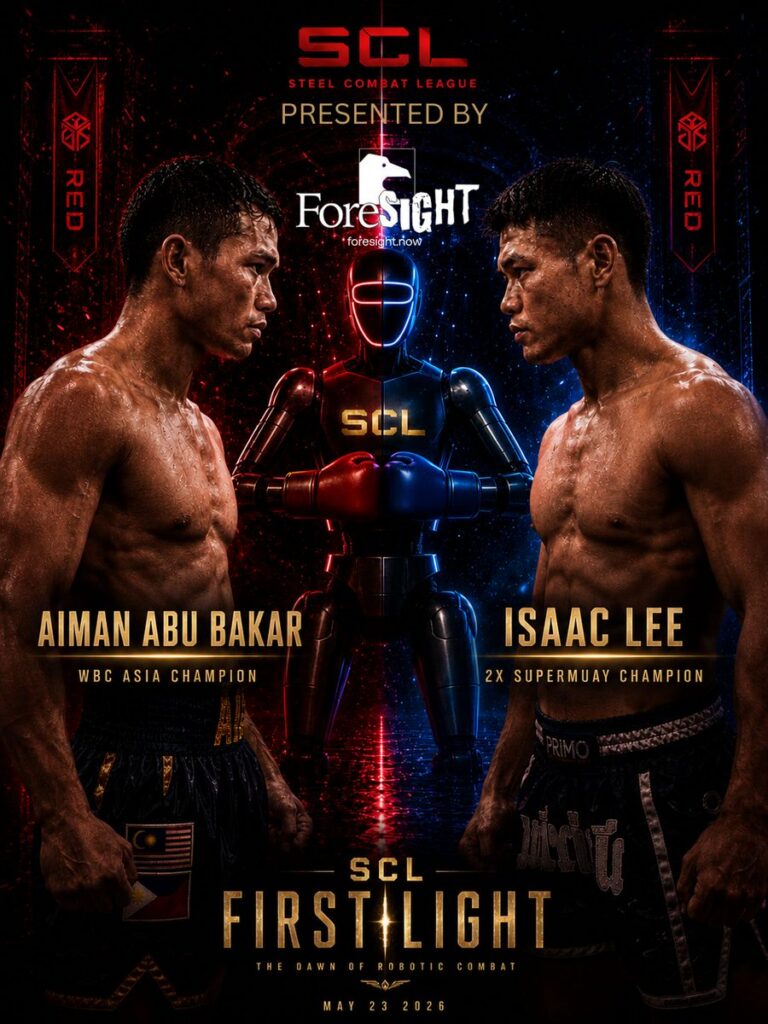
Where Shadow Combat League separates itself from every other robot combat organization currently operating is its pilot model. Rather than recruiting gamers, engineers, or VR specialists, SCL went directly to professional combat athletes — bringing in a World Boxing Council (WBC) Asia Super Featherweight Champion and a two-time Super Muay Thai Champion as two of its inaugural pilots.
The underlying logic is direct: if the robot mirrors the pilot’s movement one-to-one, the most dynamic Shadow performances should come from the people whose entire professional life has been spent developing dynamic physical responses under pressure.
Peter Davis, Chief Content Officer of SCL, framed it this way: “Currently, combat sports are limited to fighters within their own weight class or specific style. Mixing fighters from different arts can lead to serious injuries or worse. However, SCL removes the risks and allows for greater freedom of spectacle.”
The pre-launch video went further — describing future format possibilities that human combat sport could never host: “Robots with weapons. Full contact sword fighting. Formats too dangerous for any human to survive. The kind of combat that has only ever existed in a video game.”
The Motion Data Layer
Shadow Combat League is not simply a sports entertainment company. In parallel with its live entertainment initiatives, SCL is developing a long-term motion data infrastructure layer designed around humanoid robotics and teleoperation systems. Live combat scenarios offer the opportunity to capture valuable real-time movement, reaction, balance, and combat interaction data that can contribute toward broader advancements in robotics training and embodied AI systems.
This dual-layer structure places SCL in direct philosophical alignment with how every major robot sport organization in 2026 understands what it’s doing. Xenia Bulatov of UFB has described her league as “a live test bed for physical AI.” EngineAI’s URKL was explicitly designed as a high-intensity stress test for humanoid hardware. Dr. Alex Wissner-Gross, advisor to ProRL, has argued that “you can’t solve what you can’t benchmark, and a professional robotics league is the best benchmarking infrastructure we can build.”
Joseph Saw, Chief Technology Officer of SCL, put the same idea simply: “Every generation gets a new form of sport. Television created modern boxing, the internet created esports, and robotics will create the next global spectator competition.”
The Token and Blockchain Layer
SCL operates with a structural element no other robot combat organization currently has: a cryptocurrency token and Web3 ecosystem built into its foundation from day one. Built on Base (Coinbase’s Layer 2 blockchain) and powered by Virtuals Protocol, SCL’s tokenized ecosystem connects live robotic fight events, fans, teams, robot operators, investors, and partners. The SCL token powers event access and fan engagement, team and fighter backing, governance, and betting and prediction markets.
A structured league system with four divisions — Dominion, Forge, Foundation, and Shadow — creates a tiered competitive structure that enables both elite competition and global participation.
This positions Shadow Combat League at the intersection of robot sport, AI, and crypto-native entertainment — a demographic combination that no other organization in this space is currently targeting. Whether the Web3 layer becomes a structural advantage or a distraction from the core sport product is an open question worth watching as SCL develops.
First Light — The Inaugural Event
First Light: The Dawn of Robotic Combat ran on May 23, 2026, livestreamed from Kuala Lumpur on X and Kick, hosted by commentator Rashid Salai alongside Peter Davis, who doubled as ring announcer. Referee for all three bouts: Alan Leu.
The rule set: Three rounds per bout, three minutes per round. Scoring via HP/health bar system — replenished after each round. Points awarded per strike: 50 points for a head strike, 25 for a body strike. Win conditions: knockout, technical knockout, or points decision.
A Web3 audience participation mechanic ran live during bouts — viewers purchased real-time health point boosts for their preferred Shadow using the SCL token, making the audience financially active participants in the fight rather than passive spectators.
The fights:
Bout 1 — Elelliana Affendiva vs Olga Gman (sponsored by Clipur): Two Russian models piloting the Shadows. Elelliana, described as “a 4-inch killer” standing 176cm, 57.5kg. Olga, “the dynamite killer,” 177cm, 58kg. Olga was the aggressor in Round 1, depleting significant health. Elelliana landed a knockout in Round 2 to win. Result: Elelliana Affendiva by knockout, Round 2.
Bout 2 — Aiman Abu Bakar vs Isaac Quinn Lee (sponsored by Foresight): The event’s most significant matchup. Aiman Abu Bakar, “The Monster” — WBC Asia Super Featherweight Champion, 13 wins, 7 KOs, 2 losses, 1 draw, standing 170cm, 65kg. Isaac Quinn Lee, “The Bear” — two-time Super Muay Thai Champion, 12 wins, 4 losses, 168cm, 69kg.
Three full rounds of genuine combat sport expertise transferred through motion capture to the Shadows. Isaac was warned repeatedly about Muay Thai kicks — and threw them anyway. The third round saw Isaac’s Shadow fall in the final four seconds after a kick; it recovered to its feet in under four seconds. Result: Isaac Quinn Lee by unanimous decision, 3-0.
Post-fight, Isaac: “Amazing. So fun… I can tell you’re super excited right now. Yeah. Yeah, definitely. You can check my heart rate later.” Aiman on the loss: “Isaac was the better man and he made good movements… today wasn’t our night. We couldn’t get the distance.”
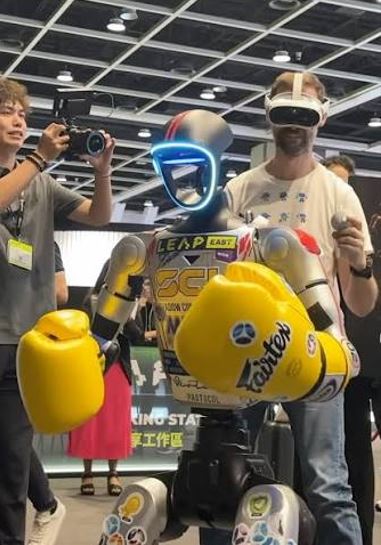
Bout 3 — PapiZak vs Bibian (sponsored by Upshot): The event’s most unusual matchup — a 150kg, 190cm Malaysian comedian against a 45kg, 160cm adrenaline-sport enthusiast. Impossible as a human fight. Entirely viable as a Shadow fight. PapiZak’s Shadow performed well technically in Round 1 before a technical issue with Bibian’s Shadow caused a pause (the referee accidentally made contact with the robot — not a strike).
The fight continued. In Round 2, PapiZak experienced a medical stoppage — overheating from physical exertion, his blood pressure a known prior concern. He was confirmed fine immediately afterward. Result: Bibian by medical stoppage.
The third bout is, unintentionally, the most powerful demonstration of Shadow Combat League’s founding thesis available. The machine didn’t fail — the human body did. Even in a format designed to remove physical limits, the pilot’s fitness still matters.
Presenting sponsors for the event included Upshot, Foresight, and Clipur, with additional support from Solenne, NeoSoul, Just Build, and RE-GEN.
How Shadow Combat League Got Started — The Hackathon Origin
The concept was first showcased publicly at the Base Batches 003: Robotic Track by Virtuals Protocol Demo Day, a hackathon held at Network School in Johor Bahru. The event allowed global incubator startups to showcase robotics-driven initiatives, with hackathon winners to be presented at Base headquarters in San Francisco. Shadow Combat League placed second and will be bringing its concept to the driving force of the industry.
A second-place finish at a global robotics hackathon, a livestreamed inaugural event within weeks of the public debut, and a brand ambassador announcement less than two weeks later — SCL has moved from concept to operational faster than most robot combat organizations in this space.
Abdu Rozik — Brand Ambassador
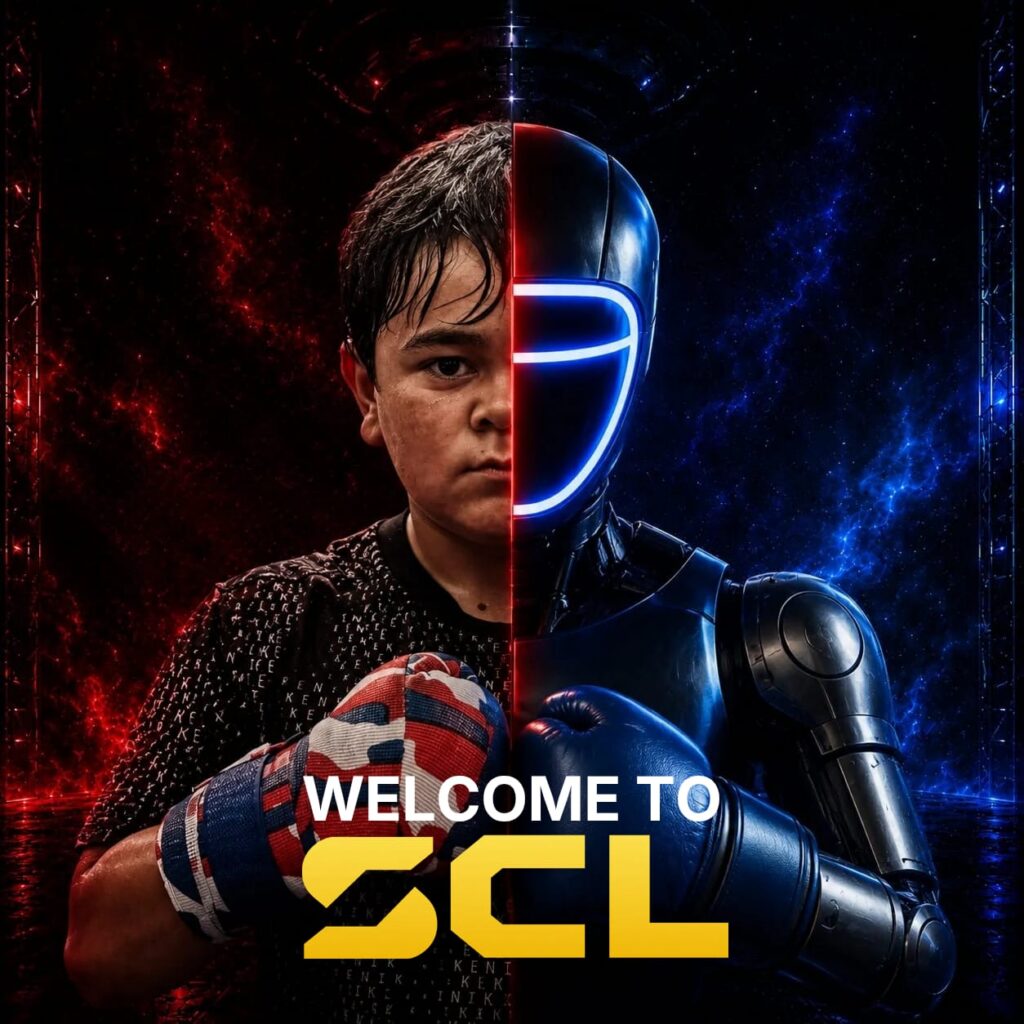
On June 3, 2026, SCL announced Abdu Rozik as its official brand ambassador. Rozik (full name Abdurozik Savriqul Muhammadroziqi, born September 23, 2003 in Tajikistan) is a singer, boxer, and social media influencer based in Dubai with over 8 million Instagram followers, a WBC Ambassador designation, and genuine combat sports credentials including a professional boxing debut.
His following spans the Middle East, South Asia, and Central Asia — geographies where robot sport currently has essentially no dedicated media presence in any language.
The appointment is a real audience-expansion play rather than a pure novelty booking. Rozik’s fanbase sits at the intersection of combat sports, social entertainment, and youth culture in markets that mainstream robot sport coverage has not yet reached.
Where SCL Fits in the Global Robot Combat Landscape
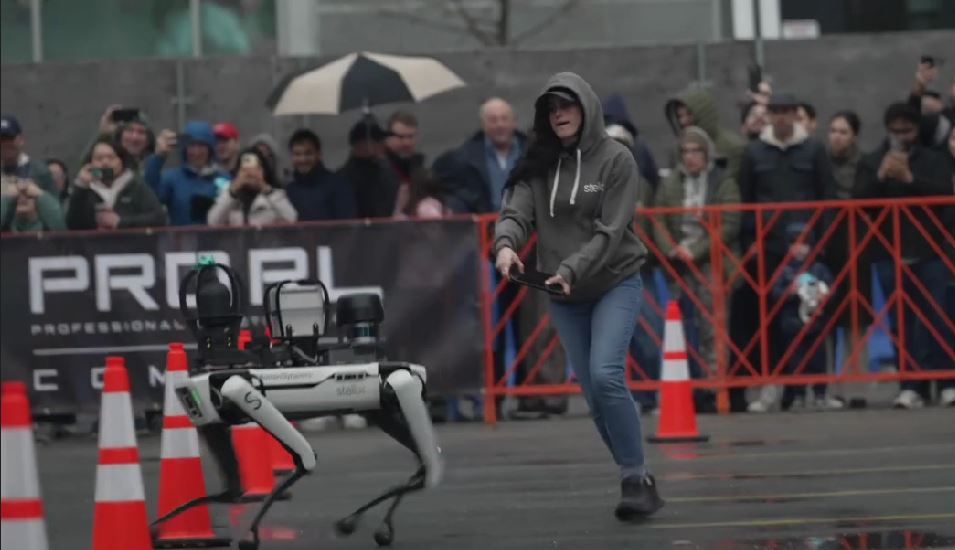
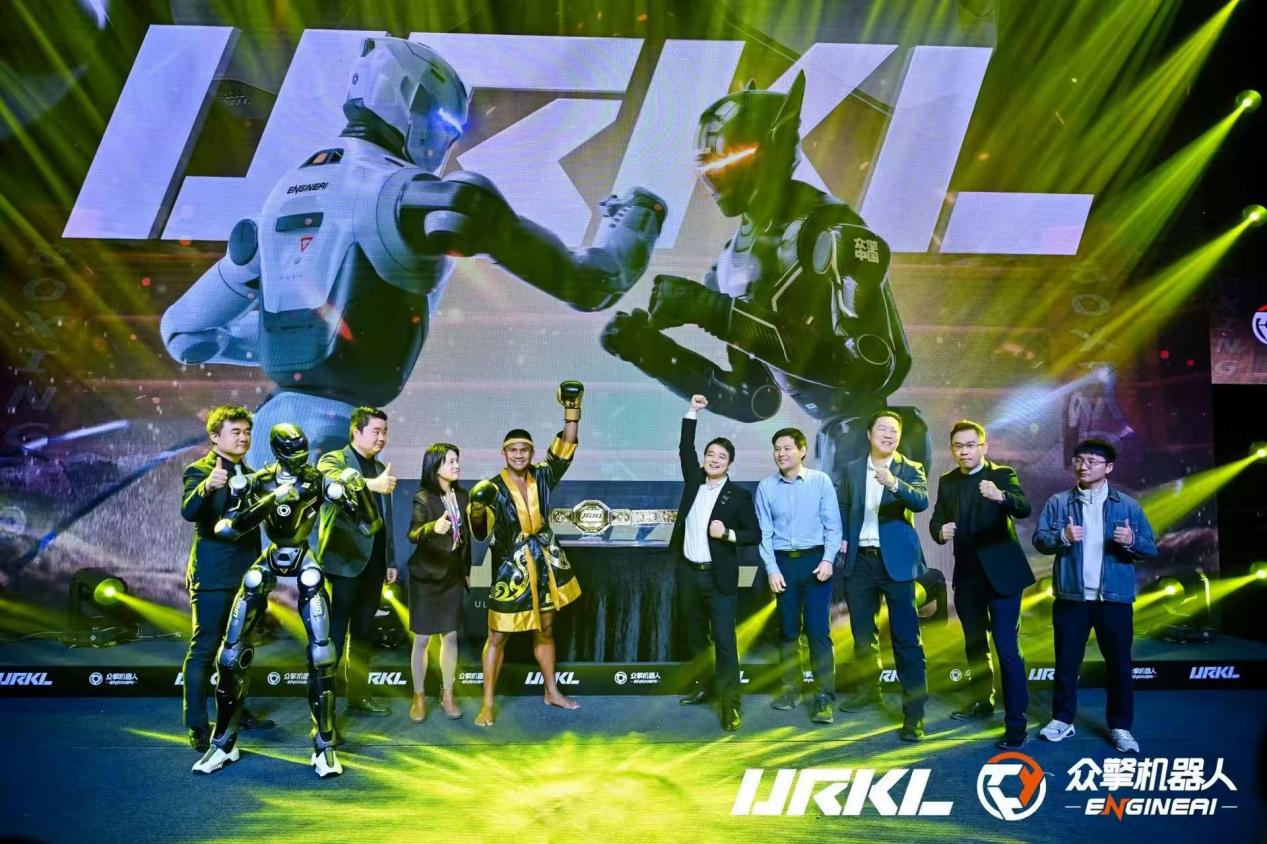
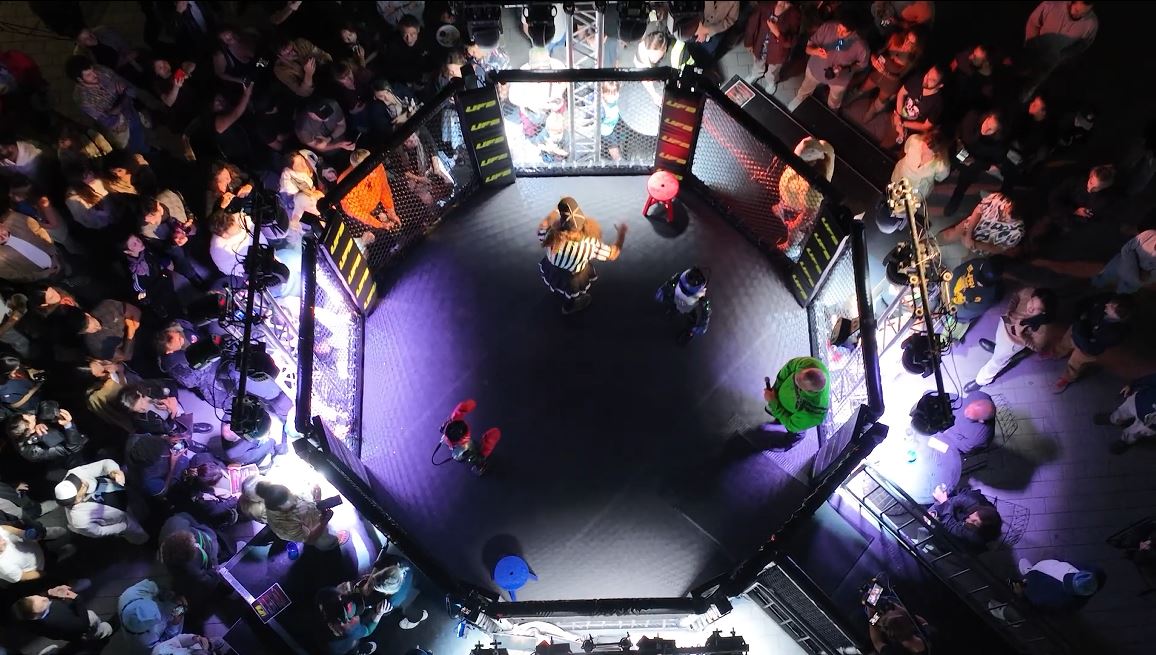
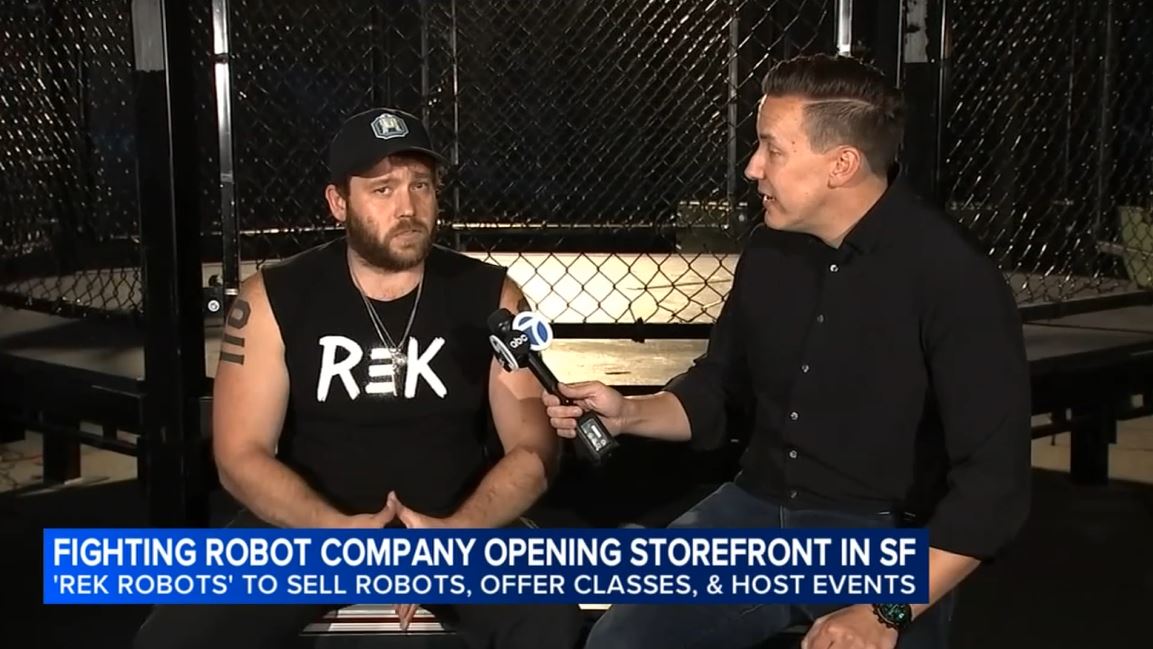
Robot combat sport in 2026 has developed in three distinct geographic clusters: China (URKL, CMG), the United States (REK, UFB, ProRL, Robowar Detroit), and — with SCL — Southeast Asia. Each has developed its own distinctive structural model:
- URKL: Hybrid AI and human piloted robots, $1.44 million prize pool
- REK: VR teleoperation, specialist pilots, EngineAI T800 hardware
- UFB: Game controller teleoperation, standardized Unitree G1 platform, accessibility as the design principle
- SCL: Motion capture teleoperation by professional combat athletes, Unitree G1 Shadows (plus EngineAI T800 added July 2026), Web3/token ecosystem and live audience health-boost mechanic integrated from day one
Shadow Combat League’s pilot model is the most distinctive element — and the one most worth watching as the format develops. The question of whether real fighters make better robot pilots than gamers or engineers is genuinely open, and SCL is the first organization building a competitive format specifically designed to test it.
What SCL does not yet have is the extended track record that gives an organization like UFB or REK meaningful credibility in this space — First Light is one event. The Abdu Rozik appointment and the structured league system suggest significant ambition, and the hackathon origin story gives it genuine technical grounding, but SCL is still in its earliest days. Coverage should reflect its actual development stage rather than projecting its stated roadmap forward as confirmed fact.
Hardware Expansion — The EngineAI T800 Arrives
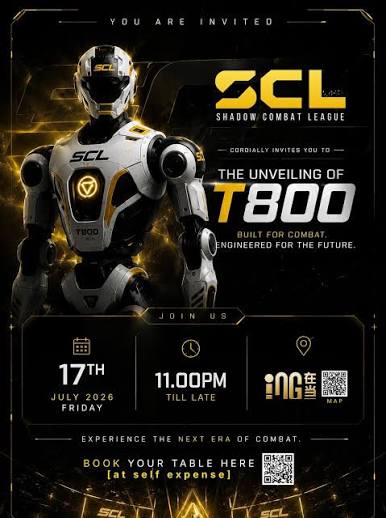
On July 20, 2026 — approximately eight weeks after First Light — Shadow Combat League announced the addition of the EngineAI T800 to its hardware lineup via a YouTube Short. The T800 is the same platform used by REK in San Francisco and by URKL’s combat league in Shenzhen: 173cm, 75–85kg, 29 body joints plus 7-DOF hands, 450 N·m peak joint torque, solid-state battery, aluminum alloy exoskeleton. Retail price approximately $40,500.
The addition of the T800 alongside the existing Unitree G1 Shadows gives SCL two distinct hardware platforms within two months of its first public event — a development pace that suggests genuine ambition rather than a fixed single-format approach. Whether SCL runs the T800 as a separate weight/class tier, as a premium bout format, or as a direct replacement for the G1 Shadows remains to be confirmed.
Key Facts
- Full name: Shadow Combat League (SCL)
- Founded: 2026, Kuala Lumpur, Malaysia
- Address: 15 & 15A, Hala Bendahara 1, 31650 Ipoh, Perak, Malaysia
- Robots: Called “Shadows” — built on Unitree G1 platform (primary); EngineAI T800 added July 2026
- Control system: Motion capture — one-to-one movement mirroring from pilot to Shadow in real time
- Pilot model: Professional combat athletes (combat sports fighters, not gamers or engineers)
- Rule set: Three rounds, three minutes each; HP health bar scoring; 50 points per head strike, 25 per body; KO/TKO/decision
- Web3 live mechanic: Audience purchases real-time health point boosts for Shadows during fights via SCL token
- Inaugural event: First Light: The Dawn of Robotic Combat, May 23, 2026, Kuala Lumpur — streamed on X and Kick
- First Light results: Elelliana Affendiva (KO R2), Isaac Quinn Lee (decision 3-0), Bibian (medical stoppage)
- League structure: Four divisions — Dominion, Forge, Foundation, Shadow
- Blockchain integration: Built on Base (Coinbase L2), powered by Virtuals Protocol; SCL token
- Brand ambassador: Abdu Rozik (announced June 3, 2026)
- Key personnel: Peter Davis (Chief Content Officer / commentator / ring announcer), Joseph Saw (Chief Technology Officer), Rashid Salai (commentator), Alan Leu (referee), Anne Dorall (press contact)
- Social media: @shadowcleague across YouTube, Instagram, TikTok, X
- Website: shadowcombatleague.com
- Press contact: dana.yellow@shadowcombatleague.com